Claim Your 10% Project Discount
Rebuild After Property Damage With Fire Damage Restoration in Lexington, KY
A property fire can leave significant damage behind even after the immediate emergency has ended and the building has received the appropriate safety clearances. Heat and flames can compromise framing, subflooring, insulation, drywall, ceilings, and interior finishes throughout affected areas. Some materials may be visibly destroyed, while other components can lose the condition or structural integrity required for continued use. Returning the property to a functional state requires more than covering damaged surfaces. Compromised building materials need to be removed and affected areas carefully reconstructed.
Fire damage restoration focuses on the structural repair and build-back required after fire-damaged portions of the property are ready for reconstruction. Depending on the extent of the loss, this can include replacing framing timbers, rebuilding wall sections, restoring subflooring, installing new insulation, completing fire damaged drywall repair, and refinishing interior spaces. Each stage needs to work with the next so reconstructed areas form complete wall, floor, and ceiling assemblies.
GAMO Restoration provides fire damage restoration in Lexington, KY, for property owners who need to rebuild damaged living spaces and other interior areas. We focus on reconstructing compromised sections with careful attention to structural strength, current building requirements, and finished appearance. The goal is to replace damaged materials and rebuild affected areas so the property can move beyond the loss and toward normal use again.
GAMO Restoration was founded in 2013 with a focus on helping property owners put their homes and buildings back together after unexpected damage. Our team brings more than 30 years of industry experience to restoration work. We keep our workload focused so reconstruction projects receive the time and resources required for detailed workmanship. We are fully licensed and insured and BBB A+ rated, provide free estimates, and back our workmanship with a five-year warranty.
Recent Works


Start Planning Your Project Today
Discuss your property needs and learn what your roofing or restoration project may require.
Reconstruct Structural Areas Compromised By Fire
Fire can affect multiple layers of a building at the same time. An interior wall, for example, may contain framing, insulation, drywall, trim, and other finishes. When heat or flames compromise several of these components, replacing only the visible surface does not fully reconstruct the affected assembly. Fire damage repair needs to account for the materials that were damaged and rebuild them in the appropriate sequence.
Structural framing can be one of the most important areas requiring attention. Framing timbers form the supporting framework for walls, floors, and other parts of a building. When sections have been compromised by fire, reconstruction may involve removing unsuitable material and carefully re-framing affected areas. This creates the structural foundation needed before insulation, drywall, and interior finishes can be restored.
Fire damage reconstruction proceeds after the property has received the appropriate safety clearances and affected areas are ready for build-back.
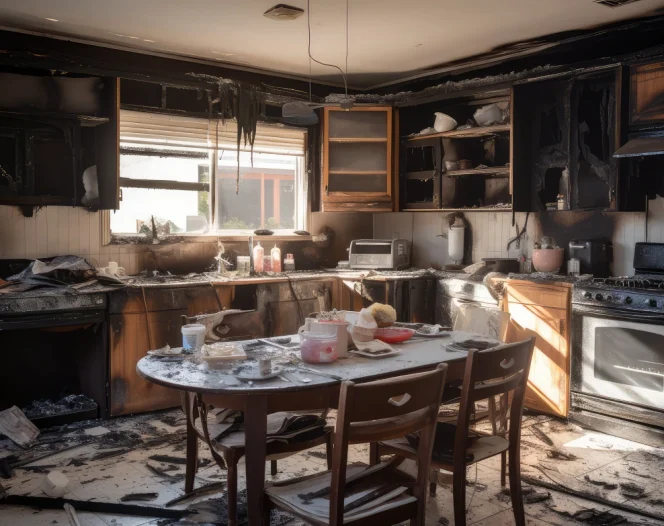
The specific scope depends on where the fire occurred, how far the damage extended, and which building components require replacement.
- Structural framing reconstruction: Compromised framing timbers can be removed and affected sections re-framed so walls and other building assemblies regain the support required for reconstruction.
- Subfloor replacement: Fire-damaged subflooring can require replacement before finished flooring is restored, helping reestablish a suitable supporting surface in affected interior areas.
- Insulation replacement: Compromised insulation within damaged wall and ceiling assemblies can be replaced before those areas are closed with new finished materials.
- Drywall reconstruction: Fire damaged drywall repair restores affected wall and ceiling surfaces after compromised materials are removed and underlying components receive the necessary reconstruction.
- Wall and ceiling build-back: Reconstructed wall planes and ceiling grids help return damaged rooms to complete, usable interior spaces after fire affects multiple layers of construction.
- Interior finish restoration: Trim and other damaged finishes can be rebuilt or replaced so reconstructed rooms regain a cohesive appearance and practical everyday function.
The sequence of reconstruction matters. Framing needs to be addressed before a finished wall can be rebuilt over it. Insulation belongs inside the appropriate assemblies before drywall closes those areas. Subflooring needs to provide the required supporting surface before applicable finished flooring is restored. Completing these stages in the proper order helps each component work as part of the rebuilt property.
Re-framing requires careful measurements and placement. Damaged structural sections cannot simply be hidden behind new drywall. When framing has been compromised and requires replacement, the affected portion needs to be reconstructed so the surrounding building components have appropriate support.
Current building requirements are also part of reconstruction planning. A fire restoration contractor rebuilding damaged sections needs to complete applicable work according to the requirements governing the project. The objective is to restore affected areas with attention to both structural integrity and the conditions expected of reconstructed building assemblies.
Wall reconstruction often becomes one of the most visible parts of the project. After compromised framing and insulation are addressed, new drywall can establish the finished planes of the room. Careful installation helps create consistent walls rather than leaving irregular surfaces that continue to show where the fire damage occurred.
Ceilings can require similar attention. Damaged ceiling grids or assemblies may need reconstruction so the upper surfaces of affected rooms are complete again. Alignment and finishing matter because walls and ceilings meet across highly visible transitions.
Floor assemblies can also be affected by fire. When subflooring has been compromised, the damaged material may need replacement before the room is ready for its finished flooring. Rebuilding the supporting layer gives later finish work an appropriate foundation.
Residential fire damage restoration can involve several of these areas within the same project. A fire may affect one room extensively or extend into neighboring spaces and building assemblies. The reconstruction scope should reflect the actual damaged areas rather than assuming every loss follows the same pattern.
The goal is not simply to fill empty spaces left after damaged materials are removed. Fire damage reconstruction service focuses on rebuilding those spaces into complete structural and interior assemblies. Each replacement material needs to fit into the larger reconstruction plan.
GAMO Restoration brings more than three decades of industry experience to this work. Our restoration background helps us understand that reconstruction requires coordination between structural repairs and finished interior craftsmanship. Both are important when bringing fire-damaged areas back into usable condition.
Restore Damaged Living Areas Through Careful Build-Back
The condition left after a property fire can make familiar rooms difficult to recognize or use. Walls may be opened, flooring may be removed, framing can be exposed, and ceilings or trim may require extensive reconstruction. Even after compromised materials have been taken out, the property is not restored until those building components are rebuilt.
Fire damage reconstruction provides the path from an incomplete interior toward finished living areas. The process focuses on rebuilding structural and interior components that were compromised by the fire. The exact work depends on the individual property, but careful sequencing and craftsmanship remain important throughout the project.
Reconstruction begins with understanding which areas are ready for build-back following the appropriate safety clearances. The affected sections can then be approached according to the building components that need replacement. This prevents finished materials from being installed before underlying structural work is complete.
Framing is a primary consideration when fire has compromised structural timbers. Damaged sections may require re-framing so wall and ceiling assemblies can be reconstructed on an appropriate foundation. This work establishes the shape and support of the areas that will later receive insulation and finished surfaces.
Subflooring may also require attention. A floor can appear to be primarily about the visible finish, but the underlying support is critical to the completed room. When fire has damaged the subfloor, replacing the compromised material helps restore the foundation for later flooring work.
Insulation sits within concealed parts of the building and therefore needs to be addressed before those areas are closed. When damaged insulation requires replacement, new material can be incorporated into the reconstructed wall or ceiling assembly before drywall installation proceeds.
Fire damaged drywall repair restores the visible surfaces after underlying work is completed. New drywall can be installed across affected walls and ceilings to recreate complete planes. Finishing then helps those reconstructed sections become part of the room rather than remaining obvious areas of unfinished build-back.
Trim and other interior details follow the larger structural and surface work. These materials create transitions around floors, doors, windows, walls, and other architectural features. Replacing damaged trim helps bring visual completeness back to rooms after major reconstruction.
Craftsmanship is particularly important because reconstructed areas often meet portions of the property that were not destroyed. These transitions need careful attention. The objective is to create an orderly finished interior rather than a collection of disconnected replacement sections.
Fire damage repair can therefore involve both structural accuracy and visual detail. A rebuilt wall needs appropriate framing and a finished surface.
A restored floor needs suitable support as well as an appropriate final appearance. Each stage contributes to whether the room feels complete again.
Residential fire damage restoration can be especially meaningful because the affected spaces are part of everyday life. Bedrooms, living areas, hallways, kitchens, and other rooms may become unusable after a fire. Reconstruction helps return those spaces to practical use by rebuilding the materials that make them complete.
The scope of work can differ significantly from one property to another. Some losses may require concentrated reconstruction in one area, while others can affect framing, flooring, walls, ceilings, and finishes across several spaces. The project needs to follow the actual conditions rather than a standardized list of repairs.
GAMO Restoration approaches reconstruction with a focus on putting damaged properties back together. That purpose has guided the business since it was established in 2013. Our more than 30 years of industry experience provide a foundation for understanding how structural and finish components work together during build-back.
We also keep our project workload focused. Fire damage reconstruction can involve multiple stages, and each one needs sufficient attention before the next begins. Managing our resources carefully allows us to concentrate on the workmanship required throughout the affected areas.
Safety and structural strength remain priorities during reconstruction. Materials that have been compromised should not simply be concealed beneath new finishes. Appropriate damaged components need to be removed and rebuilt so the finished property is supported by suitable construction materials.
The completed appearance also matters. Property owners are rebuilding spaces they expect to live in and use again. Straight wall planes, complete ceiling surfaces, properly reconstructed floors, and finished trim help move the property away from visible fire damage and toward a complete interior.
Current building requirements guide applicable reconstruction work as well. When sections are rebuilt, the work needs to account for the standards relevant to those building components. This helps make the project more than a cosmetic repair.
GAMO Restoration is fully licensed and insured and maintains a BBB A+ rating. We provide free estimates and back our workmanship with a five-year warranty. Military personnel and first responders can also receive a 10% discount on qualifying work.
Property owners considering reconstruction should understand that the build-back stage is distinct from the immediate emergency response to a fire. This service centers on replacing compromised building components and reconstructing the property after affected areas are ready for structural and interior work.
That distinction helps keep the project focused on what the property needs at this stage. Framing, subflooring, insulation, drywall, wall assemblies, ceilings, and interior finishes can all require attention before damaged living areas become functional again.
For property owners seeking fire damage restoration in Lexington, KY, GAMO Restoration provides detailed reconstruction backed by decades of industry experience. We focus on rebuilding compromised framing, walls, floors, ceilings, insulation, drywall, and interior finishes after fire damage. Call us to discuss the affected areas and begin planning the build-back needed to restore your property.