Claim Your 10% Project Discount
Rebuild Damaged Interiors With Water Damage Restoration in Lexington, KY
Water intrusion can leave lasting damage even after the immediate source has been stopped and standing water is no longer present. Saturated drywall may lose its integrity, insulation can become unsuitable for continued use, trim can swell or deteriorate, and subflooring may require replacement when exposure causes significant damage. These problems can leave rooms partially dismantled or unsuitable for normal use until affected building materials are properly reconstructed.
Water damage restoration focuses on this rebuilding stage. Rather than initial emergency water extraction, the work addresses interior areas that need to be reconstructed after water has compromised finishes and building components. Damaged materials are replaced with clean, durable building products so walls, flooring, trim, insulation, and other affected areas can once again function as part of a complete interior.
GAMO Restoration provides water damage restoration in Lexington, KY, for property owners who need to rebuild after leaks or indoor flooding. Our work can include replacing saturated drywall, damaged subflooring, degraded insulation, ruined trim, and other compromised interior materials. We focus on careful build-back and reconstruction so affected rooms can regain the appearance, structural integrity, and functionality expected from a finished living or working space.
Restoring properties after unexpected damage is central to why GAMO Restoration was founded in 2013. With more than 30 years of industry experience, we understand how important detailed reconstruction is after water disrupts a property. We keep our workload focused so each project receives appropriate time and resources. We are fully licensed and insured and BBB A+ rated, use quality materials, offer free estimates, and back our workmanship with a five-year warranty.
Recent Works
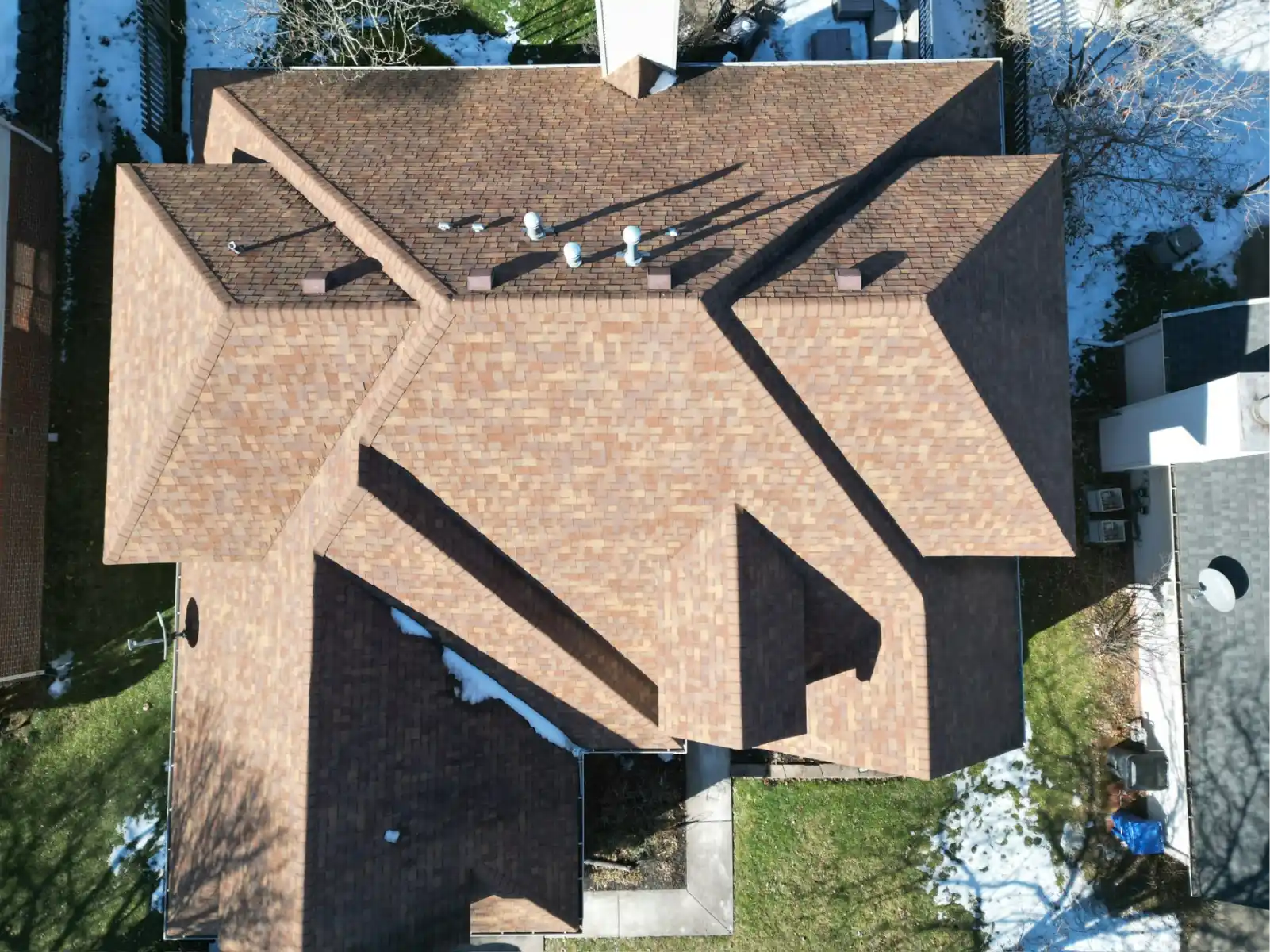
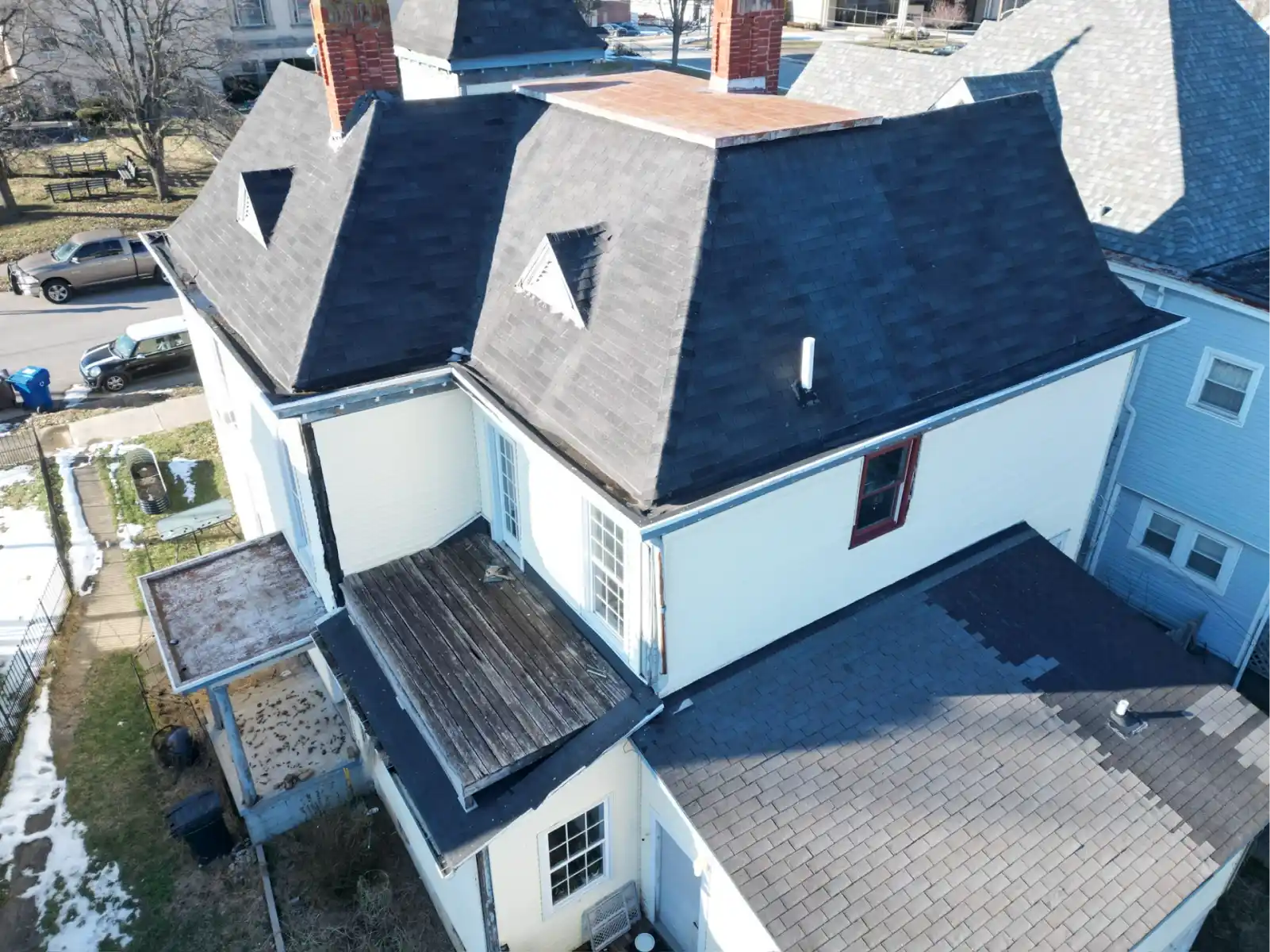
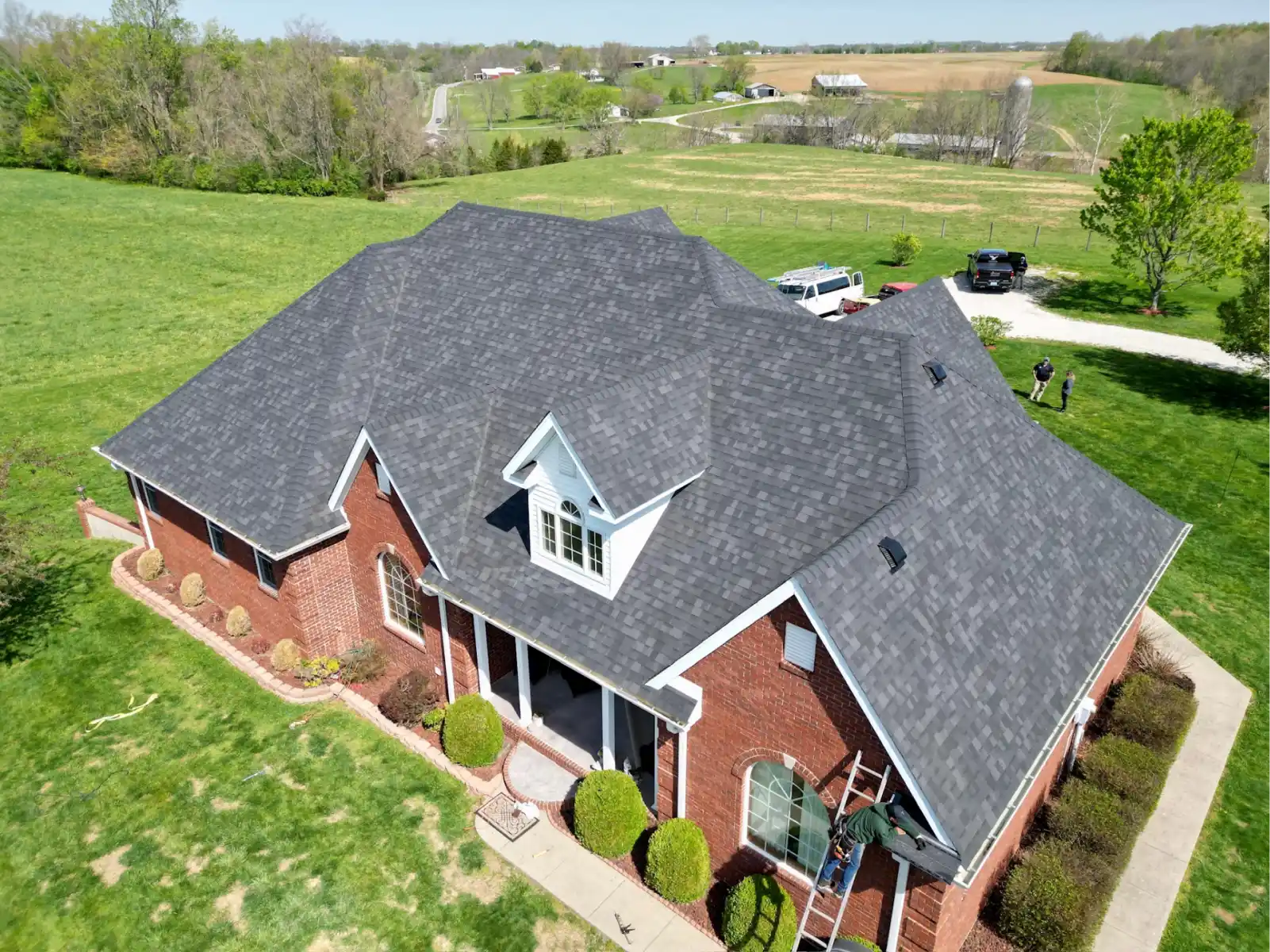


Start Planning Your Project Today
Discuss your property needs and learn what your roofing or restoration project may require.
Rebuild Interior Areas Damaged By Water Intrusion
Once water has compromised interior building materials, removing the water does not automatically return the property to its previous condition. Drywall may have been removed or damaged beyond continued use. Insulation can require replacement. Subflooring may no longer provide the condition needed beneath finished flooring, and trim can become swollen, stained, or otherwise deteriorated. Water damage repair addresses these physical losses through reconstruction.
This distinction is important for property owners planning the next stage after a leak or indoor flooding event. Water damage restoration is not limited to making an affected area dry. The build-back process focuses on reconstructing compromised areas with clean materials and careful workmanship so rooms can become complete and functional again.
The exact scope depends on where water traveled and which materials were affected. One incident may involve a limited wall section, while another can affect flooring, insulation, trim, and multiple interior surfaces.
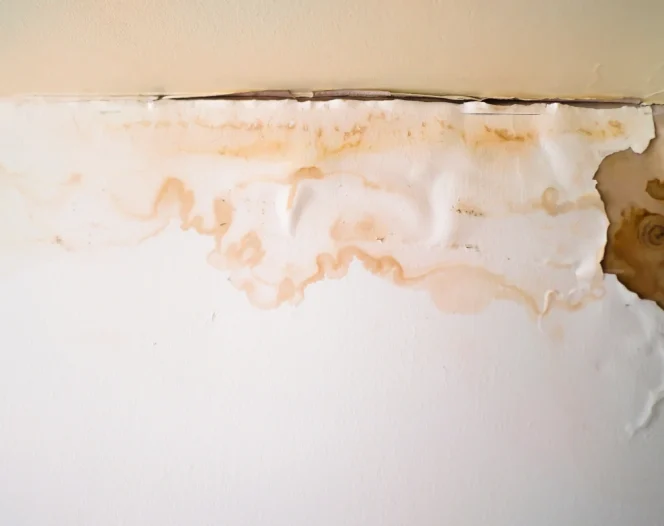
Evaluating the damaged areas helps establish what needs to be reconstructed rather than assuming every property requires the same work.
- Drywall replacement: Saturated or extensively damaged drywall can be replaced so affected walls and ceilings regain a clean, complete surface suitable for the restored interior.
- Subfloor reconstruction: Water-damaged subflooring may require replacement when deterioration affects the supporting surface beneath finished flooring and compromises the condition of the room.
- Insulation replacement: Degraded insulation can be removed from affected wall or floor assemblies and replaced with clean material as part of the interior reconstruction process.
- Trim restoration: Baseboards and other trim components damaged by water can be replaced to restore finished transitions around walls, flooring, doors, and other interior features.
- Interior build-back: Water damage reconstruction restores removed or compromised building components after water intrusion so affected rooms can return to usable condition.
- Residential reconstruction: Residential water damage restoration can address damaged interior materials throughout affected living areas after leaks or flooding compromise walls, floors, and finishes.
Drywall is one of the most visible materials that may need attention after water damage. When compromised sections have been removed or are no longer suitable for use, reconstruction restores the wall or ceiling surface. New material needs to integrate with surrounding areas so the finished section does not appear disconnected from the rest of the room.
The wall assembly can involve more than drywall alone. Insulation located behind the finished surface may also have been affected. When degraded material requires replacement, the reconstruction process needs to address it before the wall is closed. Completing work in the appropriate sequence helps avoid rebuilding visible surfaces before concealed components have received necessary attention.
Floor systems can present similar concerns. Finished flooring may be only one layer of the assembly. When water reaches the subfloor and causes significant deterioration, the supporting material may need to be replaced before the finished floor can be properly restored. Water damage reconstruction therefore considers what lies beneath the visible surface rather than treating cosmetic finishes as the entire project.
Trim work completes many of the transitions within a room. Baseboards, casings, and related materials can swell, stain, separate, or deteriorate following significant water exposure. Replacing damaged trim helps restore clean edges around walls, flooring, doors, and other interior features.
Reconstruction also requires coordination between the individual materials. Drywall needs to meet trim correctly. Flooring needs an appropriate supporting surface. Insulation must be addressed before wall sections are closed. Each stage affects the next, making organized build-back important for creating a finished interior.
Appearance matters because water damage can disrupt rooms that were previously complete and comfortable. The objective is not to leave repaired sections looking temporary or unfinished. Quality craftsmanship helps affected areas blend with the surrounding property while restoring the practical function of the space.
GAMO Restoration approaches this work with a restoration mindset. We understand that the customer is not simply purchasing new drywall or trim. The larger objective is to put a damaged part of the property back into usable condition after an unexpected event disrupted it.
Our more than three decades of industry experience help us understand how different interior components fit together during reconstruction. We focus on the work required after damaged materials have compromised the room and build back affected areas using clean, durable materials.
Return Water-Damaged Rooms To Functional Condition
A leak or indoor flood can change the condition of a room quickly. What was previously a finished living area, hallway, bedroom, office, or other interior space may be left with removed drywall, exposed framing, missing insulation, damaged flooring, or incomplete trim. Even after the immediate water problem has been addressed, the property may remain difficult to use until reconstruction is complete.
Water damage repair service focuses on moving the property from that disrupted condition toward a finished interior. The scope can vary considerably based on the affected materials, but the objective is to rebuild compromised wall, floor, and finish components so the space can function normally again.
The first consideration during reconstruction is the actual extent of material loss. Water does not always remain confined to one visible location. It may affect multiple layers of an interior assembly, which is why rebuilding needs to account for the materials that were damaged or removed rather than focusing only on the most obvious surface.
For wall areas, reconstruction can involve insulation and drywall before final trim work is completed. These components need to be addressed in a logical order. Concealed materials are installed before the finished wall surface, and trim follows once the surrounding construction is ready.
Subfloor work requires similar sequencing. A compromised supporting layer should be addressed before the finished floor is restored. Building on damaged material can leave the room with an unsuitable foundation, which defeats the purpose of reconstruction.
This is also why water damage restoration differs from a simple cosmetic update. Repainting a stain or installing trim does not reconstruct a wall or floor assembly that has lost damaged materials. Build-back focuses on replacing compromised components so the affected section becomes complete again.
Residential water damage restoration can be particularly important because damaged areas may interfere with everyday routines. A bedroom with incomplete walls, a living room with damaged flooring, or another partially reconstructed area can affect how the household uses the property. Completing the build-back helps return those spaces to normal use.
Water damage can also affect the visual continuity of a room. Removing damaged materials creates obvious interruptions between affected and unaffected sections. Careful reconstruction helps restore orderly surfaces and transitions so the repaired area fits naturally with its surroundings.
Matching pre-loss conditions is an important objective where practical. The finished reconstruction should restore the beauty and functionality of the affected room rather than leave it looking like a construction zone. When replacement or updated materials are selected, the work can also provide an opportunity to restore affected areas to an appropriate finished condition.
Structural integrity is another important consideration. Interior surfaces and underlying assemblies need to provide the support and coverage expected from their intended construction. Replacing compromised subflooring, insulation, drywall, and other materials helps reestablish the building components that were lost to water damage.
Clean replacement materials are central to this process. Once damaged materials are removed, reconstruction uses suitable new building products to rebuild the affected areas. This provides a fresh foundation for returning the room to a complete condition.
Craftsmanship matters throughout the build-back. Straight wall surfaces, properly installed materials, clean transitions, accurate trim work, and appropriate floor reconstruction all contribute to the finished result. The quality of the restoration can be seen in how well these separate elements come back together.
At GAMO Restoration, restoring properties after unexpected damage has been part of our purpose since the business began in 2013. Our team brings more than 30 years of industry experience to restoration work, giving us a broad understanding of the construction details involved in putting damaged interiors back together.
We also keep our workload focused so projects receive the resources they require. Water damage reconstruction can involve several different building components, and each stage needs appropriate attention. Rushing from one step to another can affect later parts of the project.
Communication is important as well. Property owners should understand what areas are being reconstructed and what components are included in the planned work. A clear scope helps establish expectations as the property moves from damaged conditions toward a completed interior.
GAMO Restoration is fully licensed and insured and maintains a BBB A+ rating. We use quality materials and back our workmanship with a five-year warranty. Free estimates are available so property owners can discuss the affected areas and understand the proposed reconstruction before moving forward.
Military personnel and first responders can also receive a 10% discount on qualifying work. Our goal is to provide focused craftsmanship while helping customers take the next practical step after water damage has disrupted their property.
Water damage restoration may be needed after plumbing leaks, indoor flooding, or other water intrusion damages interior building materials. The important factor is not simply how the water entered but what happened to the walls, flooring, insulation, trim, and other components as a result.
When those materials are compromised, rebuilding helps return the property to a condition where affected rooms are structurally complete, functional, and ready for everyday use. The process replaces what was damaged instead of leaving the customer with an incomplete interior after the immediate water event has passed.
For property owners seeking water damage restoration in Lexington, KY, GAMO Restoration provides interior build-back backed by decades of industry experience. We focus on replacing damaged drywall, subflooring, insulation, trim, and other affected components with clean, durable materials. Call us to discuss the reconstruction needed to restore your property after water intrusion.