Claim Your 10% Project Discount
Protect and Refresh Your Exterior With a Siding Installation Service in Lexington, KY
Exterior siding forms an important protective layer between a property’s underlying wall structure and changing outdoor conditions. When siding becomes cracked, warped, loose, or extensively worn, gaps and damaged areas can make it easier for moisture and wind to reach components that should remain covered. Aging cladding can also leave the exterior looking uneven and neglected, especially when deterioration affects multiple walls or previous repairs no longer blend with the surrounding material.
Installing new siding creates an opportunity to address the exterior as a complete protective system. Proper work begins with preparing the wall substrate and installing appropriate weather barriers before the finished siding is placed. Panels must then be fitted accurately around corners, trim, windows, doors, and other exterior openings.
Flashing and other moisture-management details help direct water away from vulnerable transitions while proper installation supports ventilation and thermal performance.
GAMO Restoration provides siding installation service in Lexington, KY, for property owners ready to renew worn exterior cladding. Our team focuses on careful preparation, weather protection, panel placement, trim, corners, and window flashing so the finished siding works with the underlying wall assembly. Whether the project involves deteriorated siding or a broader exterior update, we approach the work with attention to both protection and appearance.
With more than 30 years of industry experience, GAMO Restoration understands that siding needs to do more than improve curb appeal. Since 2013, we have maintained a focused approach that gives individual projects the time and resources required for detailed workmanship.
We are fully licensed and insured and BBB A+ rated. We use premium materials, provide free estimates, and back our workmanship with a five-year warranty.
Recent Works
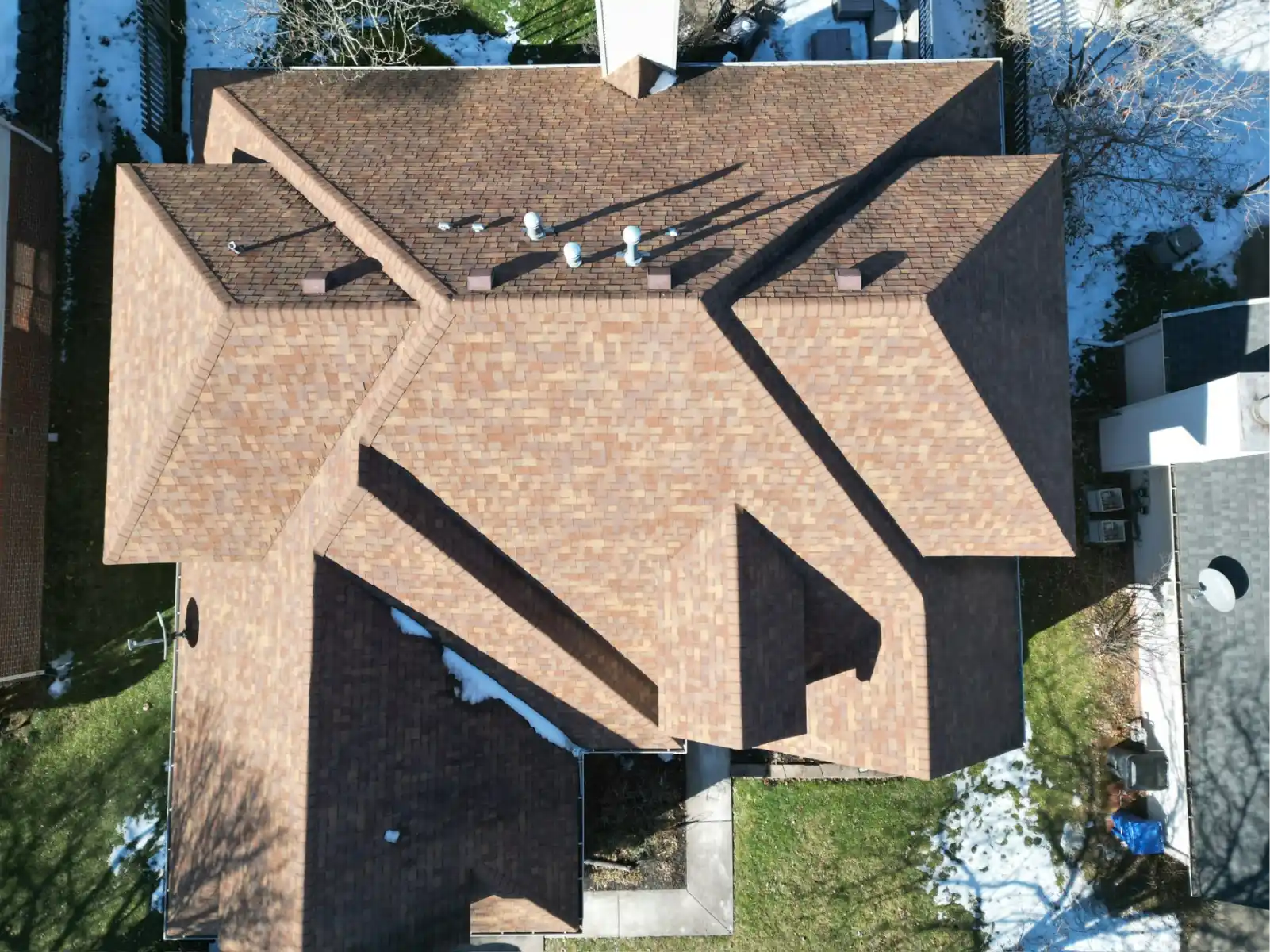
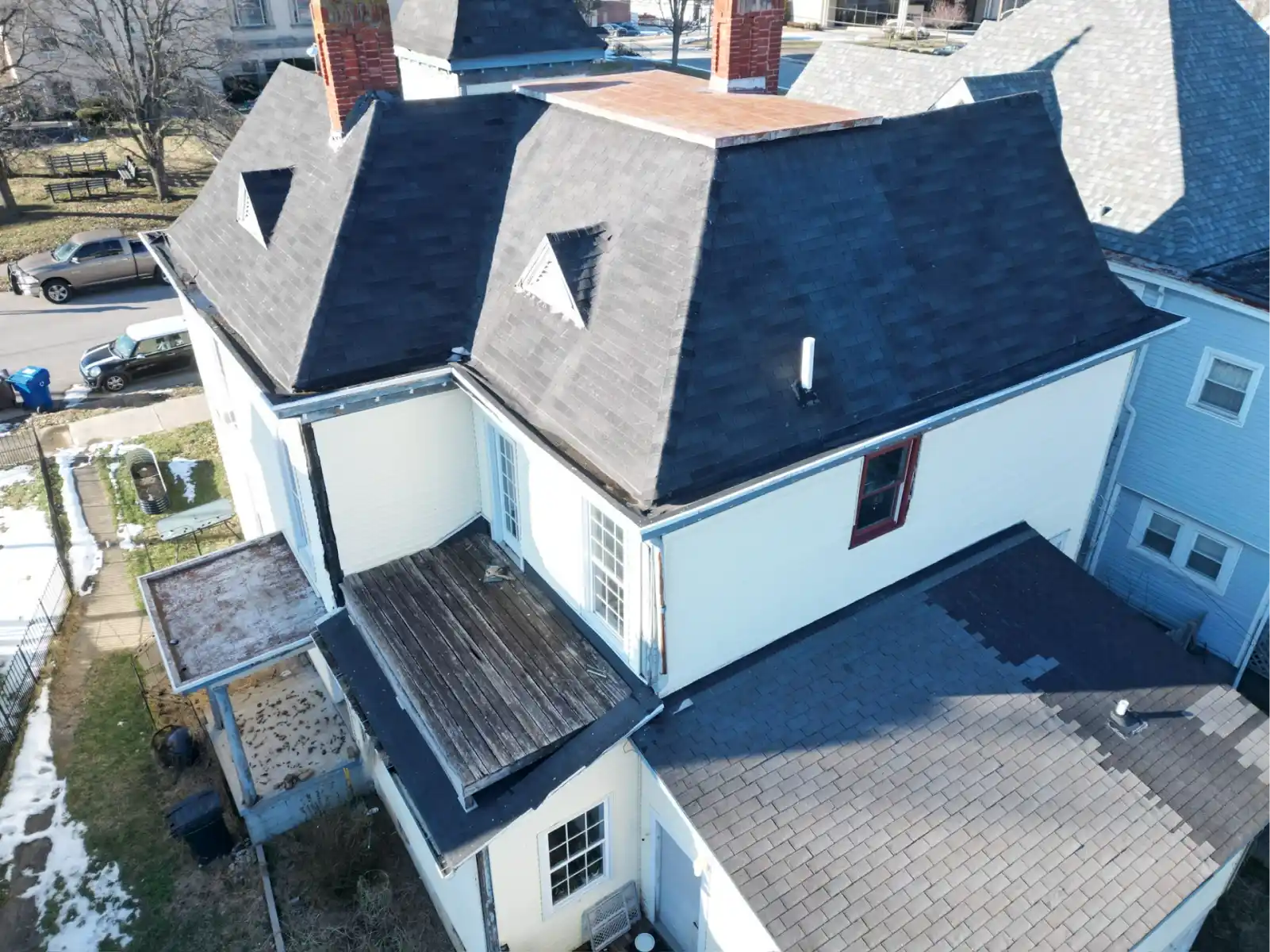
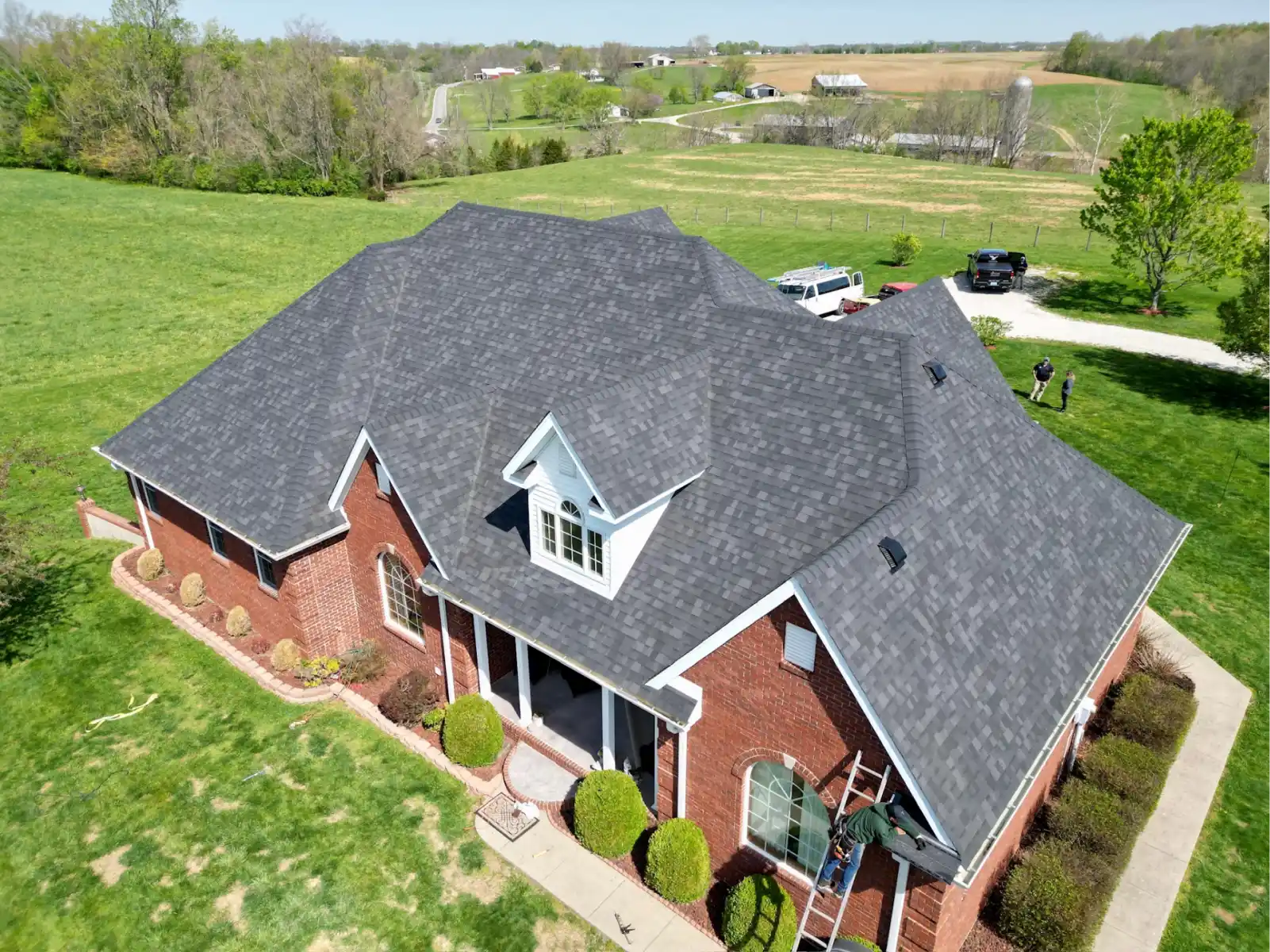


Start Planning Your Project Today
Discuss your property needs and learn what your roofing or restoration project may require.
Renew Your Exterior With Properly Installed Siding
Residential siding installation involves much more than covering existing walls with new panels. The finished exterior depends on the condition and preparation of the surface beneath it. When old siding has become damaged or worn, removing compromised materials allows applicable underlying areas to be reviewed before new cladding covers the structure.
Wall substrate preparation creates the foundation for the installation. Uneven, damaged, or unsuitable areas can interfere with the way siding sits against the building.
Addressing appropriate preparation first helps establish a more consistent surface for the materials that follow.
High-performance weather barriers provide another important layer within the exterior assembly. Siding serves as the visible protective covering, but the wall system also needs to manage moisture that may reach areas behind the finished panels.
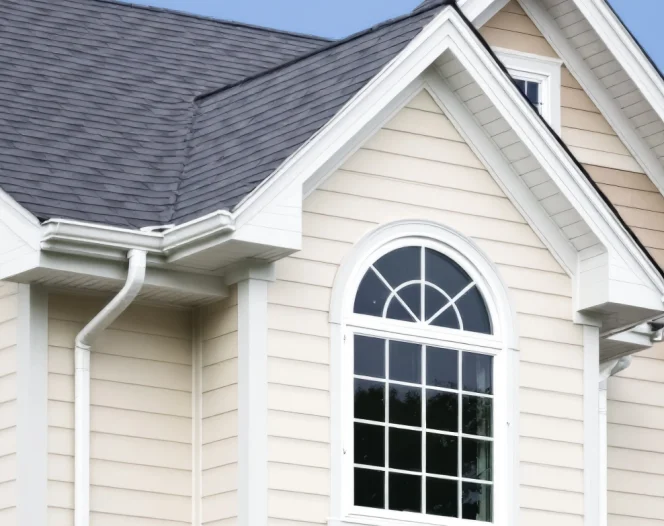
A properly installed weather barrier helps protect underlying components while working with flashing and other exterior details.
- Wall substrate preparation: Preparing applicable exterior wall areas establishes a suitable foundation for new siding and helps support consistent panel placement across the finished surface.
- Weather barrier installation: High-performance weather barriers add protection behind the finished siding and help manage moisture that could otherwise reach underlying wall components.
- Precise panel fitting: Accurate exterior siding installation creates orderly coverage while helping panels work correctly around walls, corners, trim, and other architectural features.
- Detailed window flashing: Proper flashing around windows helps direct moisture away from exterior openings and supports the broader water-management function of the siding assembly.
- Careful corner and trim work: Corners and trim create important transitions between siding sections, making accurate cuts and placement essential for a cohesive finished exterior.
- Ventilation and thermal performance: Modern installation practices account for airflow and insulation considerations so the siding works with the broader exterior wall system.
Windows and doors deserve particular attention because they interrupt the primary wall surface. These openings create transitions where siding, trim, flashing, and surrounding components must work together. Poorly detailed openings can create vulnerable locations for moisture, even when the siding across the main wall sections has been installed correctly.
Flashing helps manage this concern by directing water away from openings rather than allowing it to move toward underlying wall materials. It needs to be incorporated with the surrounding weather barrier and exterior components as part of a coordinated system.
Corners also affect both performance and appearance. Exterior walls meet at highly visible transitions, and the siding must terminate or change direction cleanly at these locations. Correct corner details help maintain orderly lines while supporting continuous exterior coverage.
Panel placement is another important part of the work. Depending on the siding material selected for the property, installation needs to account for the characteristics of that product. Exterior materials can respond differently to heat, cold, moisture, and normal building movement, making proper fastening and spacing important.
Ventilation can help support the long-term condition of the wall assembly. Moisture that becomes trapped behind exterior cladding can create unwanted conditions around underlying materials. Installation practices that support appropriate airflow and drainage help the exterior manage changing weather rather than simply covering the walls.
Thermal performance should also be considered as part of the broader wall system. Siding alone does not determine a property’s insulation, but exterior installation can work with weather barriers and insulation components to support the overall building envelope. This makes preparation behind the finished material an important part of the project.
Siding replacement may become appropriate when existing cladding has deteriorated beyond isolated sections. A single damaged area can sometimes be addressed locally, but extensive cracking, warping, loosening, or wear can leave the exterior with inconsistent protection. Replacing the deteriorated material establishes renewed coverage across the affected areas.
Appearance is another benefit of replacement. Siding occupies a large percentage of the visible exterior, so worn cladding can affect the character of the entire property. New materials create cleaner lines and a more cohesive surface while allowing the exterior to coordinate with roofing, gutters, windows, doors, and trim.
GAMO Restoration approaches these projects as complete exterior upgrades rather than surface-only changes. Our focus remains on the preparation and detailing needed beneath and around the visible siding so the completed work provides more than a cosmetic improvement.
Restore Weather Protection With New Exterior Siding
Existing siding can deteriorate gradually after years of exposure to rain, wind, sunlight, temperature changes, and physical wear. Individual defects may initially seem minor, but widespread damage can reduce the consistency of the exterior covering. Cracked panels, warped sections, loose materials, and worn surfaces can all indicate that the siding needs closer attention.
A siding replacement service can restore coverage when continued localized repairs no longer make practical sense. Instead of repeatedly correcting separate sections across an aging exterior, replacement provides an opportunity to approach applicable walls as a complete system. This can improve consistency in both appearance and weather protection.
The first stage involves understanding the condition of the existing exterior. Damaged siding may be visible from outside, but removing deteriorated materials can also expose conditions that were previously concealed. Applicable areas can then be considered before the new exterior covering is installed.
Preparation is important because new siding should not simply hide existing concerns. The wall substrate needs to provide an appropriate foundation, while weather barriers and flashing help manage moisture behind and around the finished cladding. Addressing these components gives the new installation a stronger starting point.
Once preparation is complete, siding materials can be fitted to the property’s architecture. Long wall sections require consistent alignment, while windows, doors, corners, utility penetrations, and other features require detailed cuts and transitions. The objective is to create continuous coverage without ignoring the areas where the exterior changes direction or meets another component.
Water management remains central throughout the process. Rain should remain outside the wall assembly and move away from openings and transitions. Siding, weather barriers, flashing, and trim each contribute to this function in different ways. Proper installation helps these components work together instead of relying on the visible panels alone.
Wind exposure also affects exterior cladding. Panels need to be secured according to the requirements of the selected material so they remain properly positioned. Careful fastening helps the finished system maintain its intended alignment through changing exterior conditions.
Temperature fluctuations present another consideration. Exterior materials can expand and contract as conditions change, and installation methods need to accommodate the characteristics of the siding being used. Proper spacing and fastening practices help avoid unnecessarily restricting normal material movement.
For homeowners, residential siding installation can provide a substantial visual update because the new material covers such a large portion of the exterior.
Replacing worn siding can make roofing, gutters, windows, doors, and trim appear more coordinated by establishing a cleaner background across the walls.
The improvement is not limited to appearance. New siding renews an exterior layer intended to shield underlying wall components from direct exposure. When the old cladding has cracked, warped, or worn out, restoring this layer can help prevent water from reaching areas that should remain protected.
A siding replacement project also gives property owners an opportunity to consider the exterior as a whole. Material selection, siding profile, trim, and other details can be planned around the building rather than simply duplicating an aging exterior without considering current needs.
At GAMO Restoration, our more than 30 years of industry experience help us understand how different exterior systems interact. Roofing directs water toward gutters, gutters move runoff away from the roofline, and siding protects vertical wall surfaces. Windows, doors, trim, flashing, and weather barriers create additional transitions that need to be handled carefully.
Our project philosophy emphasizes focused attention. We avoid overloading our team so important preparation and installation details do not become rushed. This allows us to concentrate on wall conditions, weather barriers, siding placement, trim, flashing, and finishing work throughout the project.
We also use premium materials because exterior siding remains exposed to changing conditions every day. Quality products need to be paired with appropriate installation to create an exterior that performs according to its intended design.
GAMO Restoration is fully licensed and insured and maintains a BBB A+ rating. We offer free estimates and support our workmanship with a five-year warranty. Military personnel and first responders can also receive a 10% discount on qualifying work.
Property owners should consider replacement when deterioration becomes widespread enough that the exterior no longer provides consistent coverage. Cracking, warping, loose sections, extensive wear, and recurring problems can all indicate that new siding may be worth discussing.
Choosing the appropriate scope still depends on the property’s actual condition. Isolated damage does not automatically require replacing every siding section. An evaluation can help determine whether localized work remains practical or whether broader replacement better addresses the existing exterior.
For property owners considering siding installation service in Lexington, KY, GAMO Restoration provides careful exterior work backed by decades of industry experience. We focus on substrate preparation, weather barriers, panel fitting, flashing, corners, trim, ventilation, and other details that contribute to a complete siding system.
Call us to discuss your exterior and determine the appropriate next step for restoring its appearance and weather protection.