Claim Your 10% Project Discount
Restore Your Roof With Storm Damage Roof Repair in Lexington, KY
Severe weather can damage a roof in a matter of minutes. High winds can lift or remove roofing materials, hail can strike exposed surfaces, heavy rain can enter through newly vulnerable areas, and falling debris can damage sections that were previously in good condition.
Some problems are immediately visible after a storm, while others may be difficult to recognize without taking a closer look at the affected areas. Leaving storm-related damage unaddressed can give moisture additional opportunities to enter the roofing system.
Damage that appears limited to the exterior can eventually affect other parts of the property. Once water moves beneath compromised roofing materials, it can reach decking, insulation, ceilings, walls, and interior finishes. Wind-damaged shingles or affected flashing may also create openings that become more vulnerable during the next period of severe weather. Addressing damaged areas can help restore the protective barrier before exposure leads to broader property concerns.
GAMO Restoration provides storm damage roof repair in Lexington, KY, for residential and commercial properties affected by hail, wind, rain, and debris. We evaluate damaged roofing areas, identify compromised components, and complete targeted repairs when the surrounding roofing system remains suitable. Our work can include addressing damaged shingles, flashing, leaks, and other affected areas based on the condition of the roof.
With more than 30 years of industry experience, we understand how unexpected property damage can disrupt your plans. GAMO Restoration was started in 2013 to help people put their homes and properties back in proper condition after unexpected damage.
We keep our workload focused so each project receives appropriate attention. We are fully licensed and insured, GAF Certified Plus, and BBB A+ rated. We use premium materials, offer free estimates, and provide a five-year workmanship warranty.
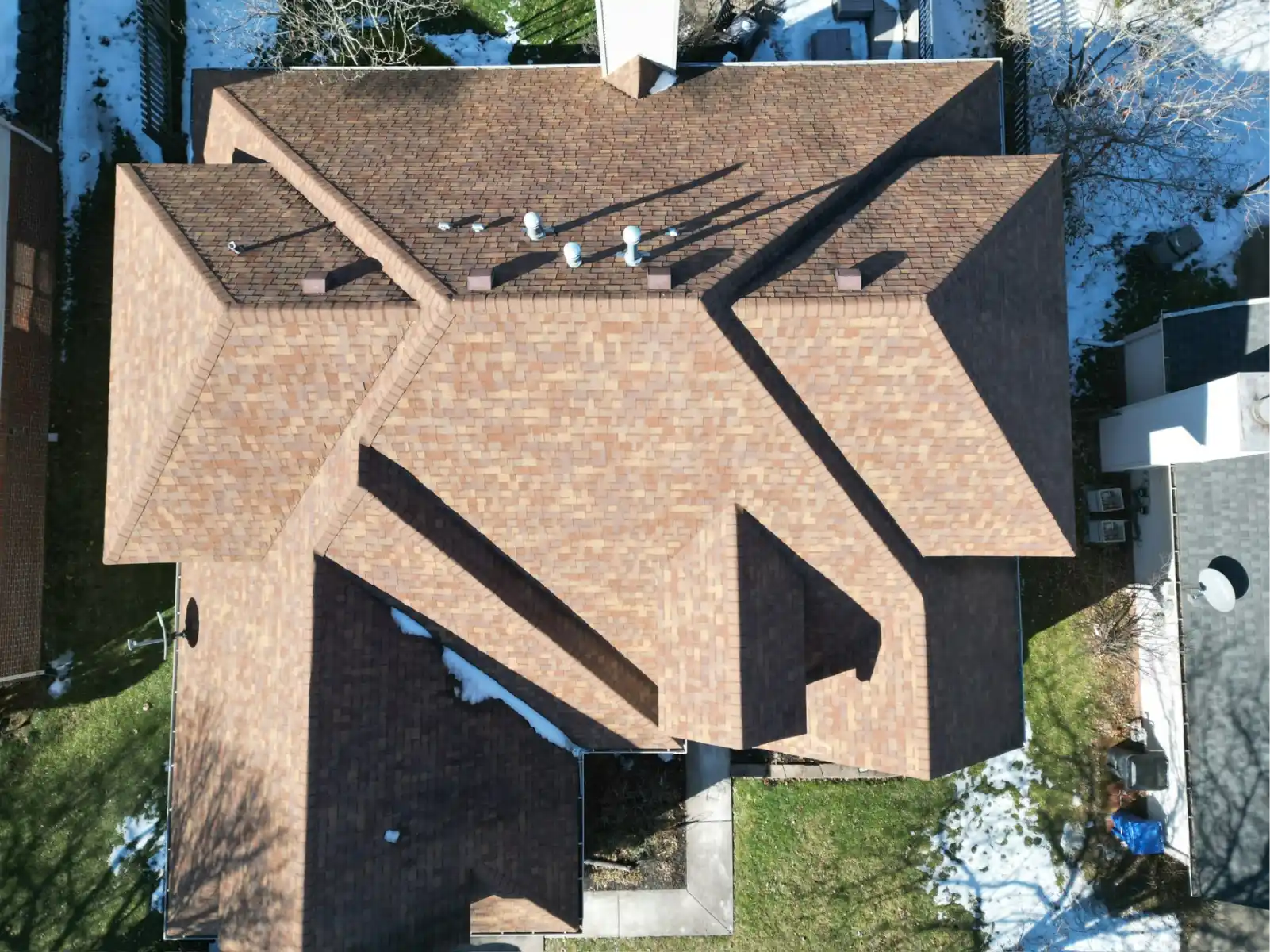
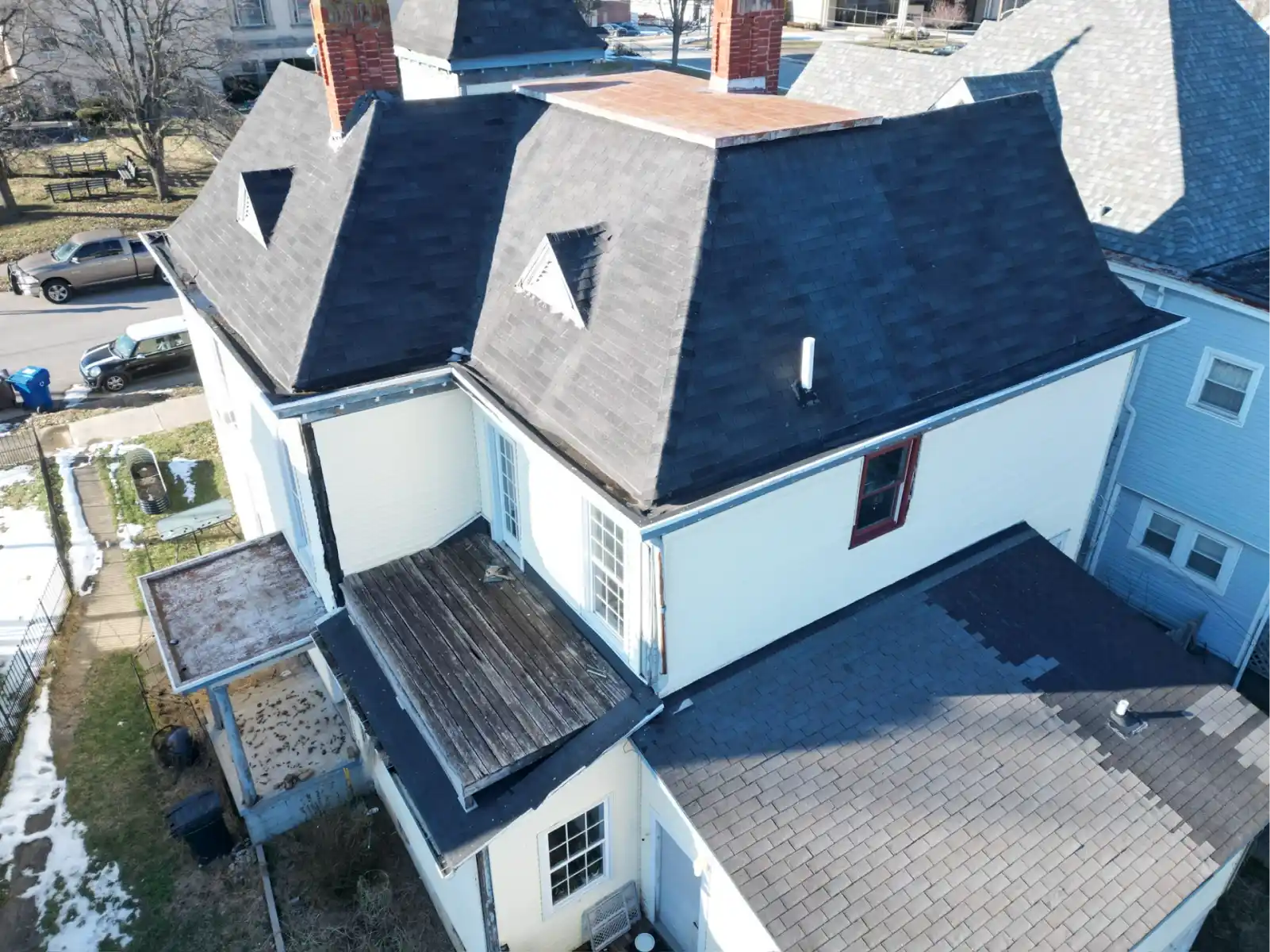
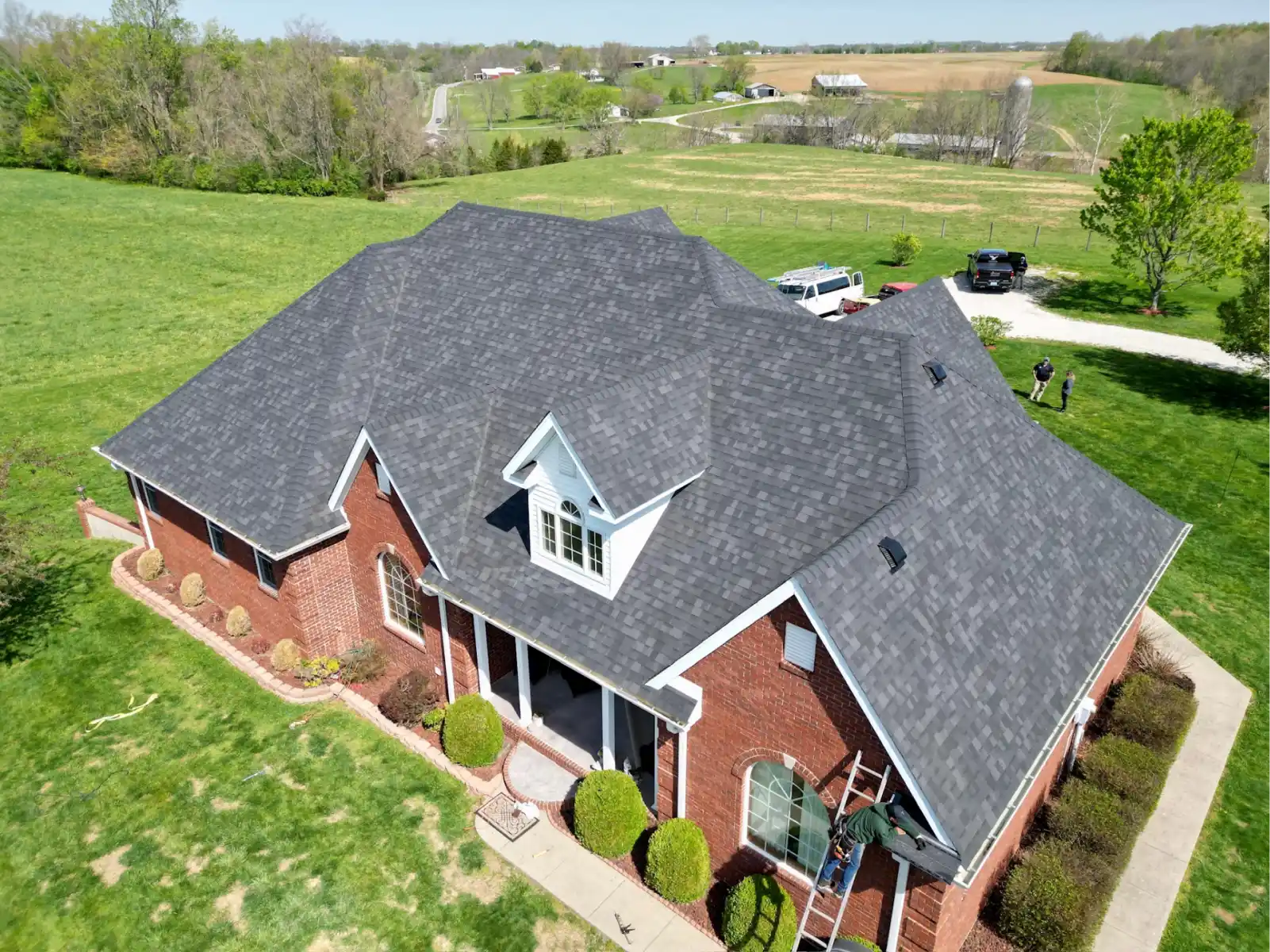
Recent Works


Start Planning Your Project Today
Discuss your property needs and learn what your roofing or restoration project may require.
Address Hail, Wind, Rain, And Debris Damage
Storms can affect roofing materials in different ways, which means there is no single type of damage to look for after severe weather. Wind may lift roofing materials away from the surface or remove them completely. Hail can strike exposed materials repeatedly. Heavy rainfall can exploit existing weak points or newly damaged sections. Falling branches and other debris can create concentrated impacts that affect specific portions of the roof.
Understanding what happened to the roof is an important first step toward determining what needs attention. A missing shingle may be obvious from the ground, but other concerns can be less visible.
Flashing may become compromised around transitions, roofing materials may loosen without detaching completely, or water may begin entering through an opening that is difficult to see from outside the property.
GAMO Restoration approaches storm-related roofing concerns by focusing on the affected areas and the condition of the surrounding system.
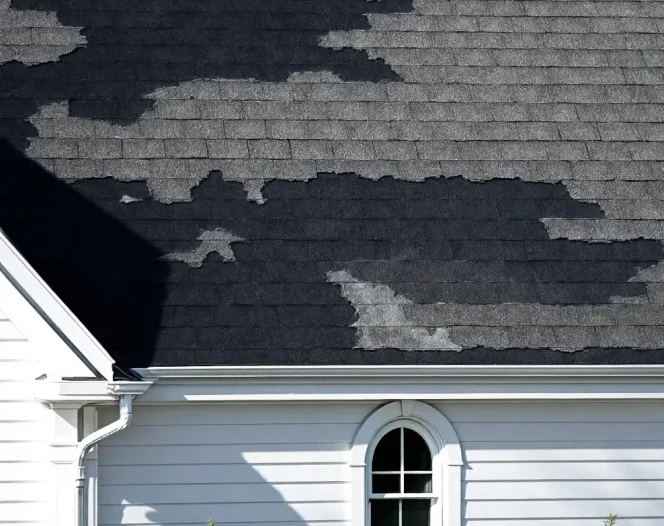
The objective is to identify where the roof has lost protective integrity and determine whether targeted repairs are appropriate.
- Hail damage attention: Hail can strike roofing surfaces repeatedly during severe weather, leaving affected materials vulnerable to further deterioration depending on the roofing type and severity of the storm.
- Wind damage correction: Strong winds can lift, loosen, crease, or remove roofing materials, creating exposed sections where rain can reach areas that should remain protected.
- Rain-related leak repair: Heavy rain can enter through storm-damaged roofing components, compromised flashing, or existing weak points and travel beneath the visible roof surface.
- Debris damage repair: Falling branches and wind-driven debris can cause concentrated impacts that damage roofing materials and potentially affect underlying components.
- Residential roof protection: Targeted storm repairs can help restore damaged portions of a home’s roof before additional rainfall has an opportunity to affect interior areas.
- Commercial roof protection: Commercial properties can develop storm-related damage around roofing surfaces, seams, penetrations, flashing, drainage areas, and other exposed components.
Wind damage can be particularly difficult to judge based only on what is visible from the ground. Roofing materials do not always need to be completely missing to have been affected. Lifted or loosened sections can create vulnerabilities even when the roof still appears largely intact. These areas may become more susceptible to water intrusion or additional movement during later weather events.
Hail presents different concerns. The effect depends on factors such as hail size, roofing material, existing roof condition, and the intensity of the storm. Damage can be concentrated in certain areas or distributed across the roof surface. Evaluating the actual condition helps determine whether specific sections require repair or whether the storm has affected a broader portion of the system.
Rain often exposes weaknesses created by other storm conditions. A roof that remained dry before severe weather may begin leaking after wind or debris compromises its protective surface. Water can then travel beneath roofing materials before appearing inside the property. This is why the location of an interior stain does not always correspond directly with the exterior entry point.
Debris can also create highly localized problems. A falling branch may affect a relatively small area while leaving the rest of the roof unchanged. In these situations, targeted repair may be appropriate if the surrounding system remains functional. The damaged roofing and any affected underlying components still need careful attention so the repaired area can once again work with the rest of the roof.
Flashing and transitions should not be overlooked after a storm. These components protect areas where roofing meets walls, penetrations, valleys, edges, and other changes in the structure. Wind or impact can affect these locations and create pathways for moisture even when the primary roofing surface has limited visible damage.
The overall age and condition of the roof also influence the appropriate response. A newer roof with isolated storm damage may be a stronger candidate for targeted repair than an older system already experiencing widespread deterioration. Repairing one storm-damaged area cannot reverse unrelated aging across the rest of the roofing surface.
GAMO Restoration brings more than three decades of industry experience to these evaluations and repairs. Our restoration background has given us experience with properties affected by unexpected damage, and we understand why careful attention matters after severe weather. The goal is to address the actual roofing concern and restore protection where conditions allow.
Repair Storm Damage Before Weather Creates Larger Problems
The period after a storm can reveal immediate roofing concerns, but not every problem develops at once. A missing section of material or an active leak may be obvious, while smaller openings can remain unnoticed until additional rain reaches the property. Taking storm-related damage seriously can help prevent vulnerable roofing areas from remaining exposed through future weather.
Water intrusion is one of the main concerns following roof damage. Roofing systems are designed to keep moisture above the protective surface and direct it away from the structure. When wind, hail, or debris interrupts that surface, water can move beneath materials that are normally protected.
Once moisture reaches the roof deck, it may travel beyond the original damaged area. Insulation, ceilings, drywall, walls, and interior finishes can become affected depending on where the water moves. Addressing the roofing source helps stop continued exposure rather than focusing only on visible interior symptoms.
Storm damage roof repair is intended to restore localized areas when the surrounding roofing system remains in functional condition. This can involve replacing damaged roofing materials, addressing compromised flashing, correcting affected transitions, or repairing sections where water has gained access. The specific work depends on the roof type and extent of damage.
Residential properties can experience disruption when roof damage begins affecting living spaces. Water stains, dripping, damaged ceilings, or moisture near walls can indicate that the protective exterior has been compromised. Acting before another storm arrives can help limit additional exposure.
Commercial properties have their own concerns. Roof leaks can interfere with work areas, inventory, equipment, ceilings, and building operations. Commercial roofs may also contain broad low-slope surfaces, drainage components, rooftop equipment, and multiple penetrations that require attention after severe weather.
A targeted repair should integrate with the existing roofing system. Replacement materials need to work with surrounding components, and flashing or transitions should continue directing water correctly. Simply covering a damaged spot without considering nearby materials can leave the roof vulnerable.
The condition beneath the visible surface may also influence the repair. If storm damage has allowed moisture to affect underlying components, addressing only the exterior material may not fully correct the problem.
Evaluating the affected area helps determine what needs attention before the roof is closed back up.
At GAMO Restoration, we give these details focused attention rather than rushing through the work. We do not want our team stretched across so many projects that individual properties receive insufficient resources. Our approach allows us to concentrate on the damage, the surrounding roof, and the workmanship required to restore protection.
Our business was founded in 2013 after decades of industry experience. Helping property owners recover after unexpected damage is central to why GAMO Restoration was started. Severe weather can create uncertainty about what happened to a roof and what should happen next. We aim to provide clear communication while addressing the physical condition of the property.
We use premium materials because repaired areas need to withstand the same environmental conditions as the surrounding roof. Replacement shingles, flashing, and other components should be installed carefully so the repaired section becomes part of the existing protective system.
GAMO Restoration is fully licensed and insured, GAF Certified Plus, and maintains a BBB A+ rating. Our workmanship is backed by a five-year warranty. We also provide free estimates so property owners can discuss visible storm damage, leaks, or other concerns before deciding how to proceed.
Military personnel and first responders can receive a 10% discount on qualifying work. We accept cash, checks, credit, Zelle, and Venmo, and financing is available for customers who need additional payment flexibility.
Not all storm damage can be addressed through localized repair. Severe impacts, widespread wind damage, extensive deterioration, or a roofing system already near the end of its useful life may require broader work. The appropriate approach depends on the actual condition of the property rather than the storm alone.
Property owners should also avoid assuming that the absence of an active interior leak means the roof was unaffected. Some roofing damage can exist before water becomes visible indoors. Changes in roofing materials, missing components, damaged flashing, or debris impacts can justify closer attention even when the interior appears dry.
Timely action helps reduce the amount of time compromised roofing remains exposed to weather. The next rainfall or wind event can place additional stress on areas already weakened by the previous storm. Addressing known damage helps restore the roof’s protective function before those conditions return.
For residential and commercial property owners affected by severe weather, GAMO Restoration provides storm damage roof repair in Lexington, KY, backed by more than 30 years of industry experience. We assess damaged areas, complete appropriate repairs, and give each project focused attention. Call us to discuss hail, wind, rain, or debris damage and take the next step toward restoring your roof.